
Introduction to Fapelli and Its Digital Presence
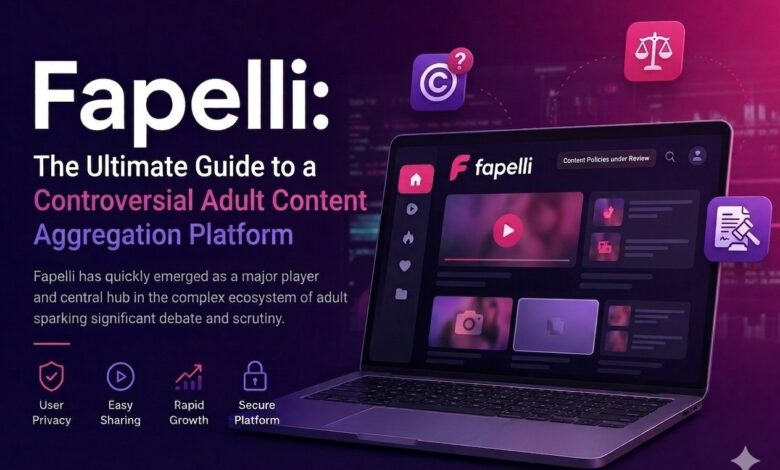
Fapelli has become one of the most talked-about names in the online adult content space, primarily known as a platform that organizes and displays adult-oriented media from various internet sources. It attracts attention for bringing together content that is often associated with subscription-based creator platforms and social media influencers, presenting it in a single searchable environment. Over time, it has built a reputation for accessibility and convenience among users seeking quick browsing experiences.
At its core, Fapelli operates as an aggregator, meaning it does not typically produce original content but instead organizes material uploaded or shared from external sources. This structure has made it highly visible in discussions around digital media distribution, creator rights, and online content ownership. Its design appeals to users who prefer centralized access without navigating multiple platforms.
However, Fapelli also sits at the center of ongoing debates about digital ethics and consent. While some users view it as a convenient archive of popular online content, critics argue that platforms of this nature raise serious concerns about privacy and unauthorized redistribution. This dual perception shapes much of its online identity today.
What Is Fapelli and How Does It Function?
Fapelli is commonly described as an online content indexing platform that organizes adult-themed media into searchable profiles. Users can browse by creator names, categories, or trending tags, allowing them to quickly locate specific types of content. Its structure is designed for simplicity, prioritizing fast navigation over complex features.
The platform typically relies on community-driven uploads or automated indexing systems that collect and categorize media from across the internet. These files are then arranged into galleries associated with particular personalities or public figures. This creates a database-like system where content is grouped for easy discovery and repeated access.
Another defining characteristic of Fapelli is its minimal entry barriers. Most versions of the platform do not require registration, subscriptions, or payment, which significantly lowers the threshold for usage. This accessibility is one of the reasons it has gained attention, but it also contributes to concerns about how content is sourced and shared.
The Rise and Digital Growth of Fapelli
Fapelli emerged during a period when subscription-based creator platforms were rapidly expanding across the internet. As more influencers and digital creators began monetizing exclusive content, demand for alternative access points increased. This environment allowed aggregation-style websites to gain visibility.
Its rise is closely linked with the broader evolution of social media monetization. As influencers moved from free content to paid subscription models, audiences began searching for ways to access content outside traditional paywalls. Platforms like Fapelli capitalized on this shift by organizing publicly circulating or redistributed material into centralized collections.
Over time, the platform gained traction through online forums, word-of-mouth sharing, and search-driven discovery. Its growth reflects a larger trend in digital culture where users gravitate toward convenience and immediacy. This rapid expansion also intensified scrutiny from creators and legal observers concerned about content rights and distribution control.
Key Features That Define Fapelli
Fapelli is often recognized for its straightforward interface and minimal learning curve. Users are typically presented with a homepage featuring trending profiles, recently added content, and frequently searched names. This layout emphasizes speed and accessibility.
A key feature is its search functionality, which allows users to locate specific creators quickly. Results are usually organized into galleries containing grouped media, making browsing more structured than random file-sharing sites. This organization enhances usability and encourages longer browsing sessions.
The platform’s design often includes features such as trending lists, popularity rankings, and categorized content sections. These elements help users identify widely viewed profiles and popular topics without extensive searching.
Commonly Noted Features:
- Fast search and navigation system
- Categorized media galleries
- Trending and popularity rankings
- Minimal registration requirements
- Mobile-friendly browsing layout
These features contribute to its reputation as a simple, content-focused browsing platform.
Content Ecosystem and Platform Structure
The content ecosystem associated with Fapelli is largely based on aggregation rather than original creation. This means the platform organizes material sourced from various corners of the internet, grouping it into structured collections. These collections are often labeled by creator names or online personas.
Because of this structure, the platform’s content library can appear vast and frequently updated. New material is often added based on what is circulating online, creating a continuously evolving database. This dynamic nature keeps the platform active and frequently revisited by users.
However, the decentralized nature of content sourcing also leads to inconsistency in quality and authenticity. Some galleries may contain high-quality media, while others may include incomplete or mislabeled content. This variability is a direct result of its open and unverified upload structure.
Ethical and Legal Considerations Surrounding Fapelli
One of the most significant aspects of Fapelli is the ethical debate surrounding its operation. Critics argue that aggregating and redistributing content without clear consent raises serious concerns about privacy and intellectual property rights. This has made the platform a frequent subject of online discussion.
Legal concerns are also associated with platforms that host or index redistributed subscription-based content. In many jurisdictions, unauthorized sharing of paid material may violate copyright laws or digital rights protections. As a result, such platforms often exist in a complex legal gray area.
From an ethical standpoint, the issue of creator consent remains central. Many digital creators rely on subscription models for income, and unauthorized redistribution can impact their earnings and control over personal content. This tension between accessibility and ownership continues to shape debates around platforms like Fapelli.
User Experience and Interface Design
Fapelli is generally designed with simplicity in mind, offering users a clean interface that prioritizes browsing efficiency. The layout often avoids unnecessary complexity, focusing instead on quick access to content categories and search functions.
Navigation is typically intuitive, allowing users to move between profiles and galleries with minimal effort. Thumbnails and previews help users identify content before selecting it, reducing the time spent searching. This streamlined approach contributes to its popularity among casual browsers.
However, user experience can vary depending on external factors such as advertisements or redirects. Some versions of similar platforms may include intrusive elements that affect usability. Despite this, the core design philosophy remains centered on fast and direct access to categorized media.
Safety, Privacy, and Security Considerations
When discussing platforms like Fapelli, digital safety becomes an important topic. Users often face risks associated with third-party advertisements, tracking scripts, or malicious redirects. These risks are common across many free-access websites in similar categories.
Privacy is another concern, as browsing activity may be tracked or logged depending on the site’s infrastructure. Users who prioritize anonymity often take precautions such as using secure browsers or privacy-focused tools to limit exposure of personal data. However, awareness of digital footprint remains essential.
Security risks can also arise from unverified files or external links. Because content is aggregated from multiple sources, there is no consistent quality control system. This increases the importance of cautious browsing behavior and general cybersecurity awareness.
Pros and Cons of Fapelli
Like many digital platforms in the adult content ecosystem, Fapelli presents both advantages and disadvantages depending on user perspective. Its strengths lie in accessibility and content variety, while its weaknesses are tied to ethical and legal complexities.
On the positive side, users often appreciate the convenience of centralized browsing. The ability to search and view large collections without subscriptions is seen as a key advantage. Additionally, the frequent updates keep the platform dynamic and engaging.
On the negative side, concerns about consent, copyright, and digital rights are significant. The lack of verified content sourcing can also affect trustworthiness. These factors create a mixed reputation that divides user opinion.
Summary of Pros and Cons:
- Pros: Easy access, large content variety, simple interface
- Cons: Ethical concerns, legal risks, inconsistent content quality
- Neutral factor: High variability in user experience
Impact on Digital Creators and Online Platforms
The rise of aggregation platforms like Fapelli has influenced how digital creators approach content distribution. Many creators have become more cautious about protecting their work, implementing stronger security measures and watermarking strategies.
At the same time, the existence of such platforms has highlighted challenges in enforcing digital rights across the internet. Content shared online can spread rapidly, making it difficult to maintain control once it leaves its original platform. This has prompted ongoing discussions about platform responsibility.
From an industry perspective, these developments have also contributed to evolving business models. Subscription platforms continue to adjust policies, improve protection systems, and introduce new monetization tools to support creators in maintaining control over their content.
Alternatives and the Broader Digital Landscape
Within the broader adult content ecosystem, there are multiple alternatives to platforms like Fapelli. Some platforms focus on direct creator support through subscriptions, while others operate as general media libraries or community-driven hubs.
Subscription-based platforms emphasize consent and creator earnings, allowing users to support individuals directly. These platforms typically offer exclusive content in exchange for monthly payments, ensuring a controlled distribution model.
On the other hand, free-access platforms and community forums may offer similar browsing experiences but often come with similar ethical and legal concerns. This creates a fragmented landscape where users choose between convenience, cost, and ethical considerations.
Future Outlook of Platforms Like Fapelli
The future of platforms similar to Fapelli is uncertain due to increasing legal scrutiny and evolving digital rights enforcement. As creators and platforms strengthen protections, unauthorized aggregation sites may face greater challenges in sustaining operations.
Technological advancements such as automated content detection and digital fingerprinting may also reduce the spread of redistributed material. These systems are becoming more common as platforms aim to protect intellectual property and user privacy.
Despite these challenges, demand for centralized content access remains strong. This suggests that while specific platforms may evolve or disappear, the broader concept of content aggregation will likely continue in some form within the digital ecosystem.
Conclusion
Fapelli represents a complex and controversial part of the modern digital content landscape. While it is often recognized for its accessibility and large content library, it also raises important questions about ethics, legality, and creator rights. Its structure reflects broader trends in online media consumption, where convenience often competes with consent and ownership.
As the internet continues to evolve, platforms like Fapelli will remain part of ongoing debates about how digital content should be shared, protected, and monetized. Understanding both its advantages and challenges provides a clearer picture of its role in today’s online ecosystem.


