
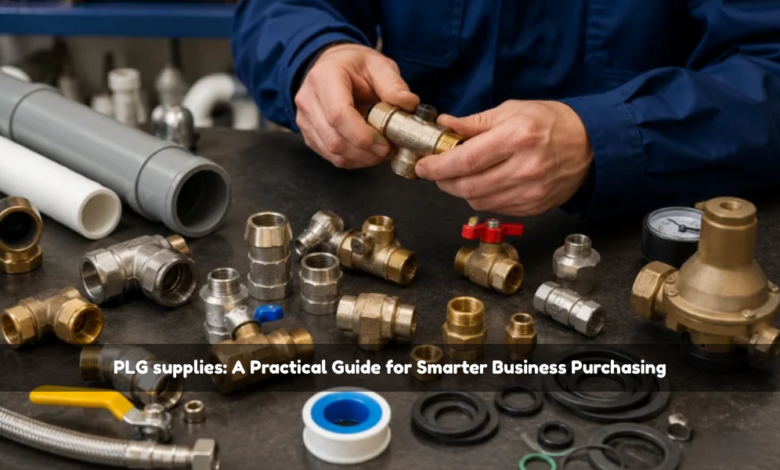
Businesses need reliable products, fast delivery, and clear purchasing systems to keep daily operations running smoothly. That is why many buyers look for plg supplies when they want a dependable source for tools, materials, maintenance items, and workplace essentials. Whether a company manages facilities, handles repairs, supports construction work, or serves trade professionals, the right supply partner can save time and reduce stress. This guide explains what to look for, how to choose better products, and how businesses can make smarter purchasing decisions.
What Are plg supplies?
plg supplies generally refers to products, materials, and equipment that support commercial, industrial, trade, and facility operations. These supplies may include plumbing items, general maintenance products, electrical accessories, safety gear, tools, fasteners, cleaning materials, and other workplace essentials. A business may use them for everyday repairs, planned projects, or emergency maintenance. Because these products support important tasks, buyers should focus on quality, availability, and dependable service instead of choosing only the lowest price.
Many companies depend on supply providers because they cannot afford delays in daily operations. A missing part, damaged tool, or out-of-stock product can slow down repairs and affect customer service. Therefore, businesses often prefer suppliers that offer a wide product range, simple ordering, clear communication, and consistent delivery. When a supplier understands business needs, it helps teams work with fewer interruptions and better control over costs.
Why These Supplies Matter
Every workplace needs basic materials to stay safe, functional, and productive. A facility team may need pipe fittings, hand tools, sealants, gloves, cleaning supplies, or replacement parts on short notice. A contractor may need bulk materials before starting a job. A maintenance manager may need dependable stock for routine repairs. In each case, the quality and availability of supplies can directly affect the speed and standard of work.
Good supply planning also helps businesses avoid last-minute purchases. Emergency buying usually costs more and creates pressure on staff. When companies organize their purchasing process, they can track usage, plan stock levels, and build stronger relationships with suppliers. This approach makes operations more predictable and helps teams stay ready for both routine tasks and unexpected problems.
Key Product Categories Businesses Often Need
Most businesses need a mix of products rather than one single type of item. For example, a facility may need plumbing materials, electrical basics, safety supplies, cleaning products, and repair tools in the same week. A supplier with broad inventory can make purchasing easier because buyers do not need to manage too many separate vendors. This saves time and reduces confusion during busy work periods.
Common categories include hand tools, power tool accessories, pipework materials, valves, fittings, adhesives, tapes, protective equipment, storage items, janitorial products, and general hardware. Some businesses also need specialist products for mechanical, heating, ventilation, or building maintenance work. When buyers understand their core categories, they can create a better ordering system and avoid repeating the same purchasing mistakes.
Tools and Maintenance Items
Tools and maintenance products form the backbone of many repair and service tasks. Teams often need wrenches, cutters, measuring tools, drills, blades, screws, anchors, lubricants, and sealants. These items may seem simple, but poor-quality tools can break quickly and create safety risks. Stronger products usually last longer, perform better, and support a more professional standard of work.
Maintenance teams should also review how often they use each item. Fast-moving products should stay in regular stock, while specialist tools may only need occasional ordering. A simple inventory list can help managers identify which products deserve priority. Over time, this reduces waste and helps the business spend money where it brings the most value.
Safety and Workplace Essentials
Safety products protect workers and help businesses follow responsible workplace practices. Gloves, masks, eye protection, signs, first-aid items, and protective clothing can reduce risk during daily tasks. These supplies become even more important in environments where teams handle tools, chemicals, dust, sharp objects, or heavy materials. A business should never treat safety items as optional extras.
Workplace essentials also include storage bins, cleaning products, labels, waste bags, and general organization materials. These products improve efficiency because teams can find items quickly and keep work areas clean. A well-organized supply area also reduces lost time, repeated purchases, and unnecessary frustration among staff.
How to Choose a Reliable Supply Partner
Choosing the right supplier can make a major difference in cost control and operational performance. Businesses should look beyond product lists and check the supplier’s reliability, response time, ordering process, and customer support. A good supplier answers questions clearly, helps buyers find suitable alternatives, and communicates honestly about stock availability. This level of service matters when projects have deadlines or repairs cannot wait.
Price still matters, but it should not be the only factor. A cheaper product may cost more if it fails quickly, arrives late, or does not match the required specification. Buyers should compare total value, including product quality, delivery speed, return process, and long-term reliability. The best supplier helps the business buy with confidence, not just spend less on one order.
Check Product Range and Availability
A broad product range helps businesses place fewer orders with fewer vendors. This makes purchasing easier for managers and finance teams. However, range alone does not guarantee a good experience. Suppliers must also keep popular products available and provide clear updates when an item goes out of stock. Accurate availability helps buyers plan projects without unnecessary delays.
Businesses should also ask whether the supplier can support repeat orders, bulk purchases, and special requests. These services become useful when a company grows or handles multiple sites. A supplier that can scale with the business gives buyers more flexibility and long-term convenience.
Review Service and Communication
Strong communication separates a dependable supplier from an average one. Buyers need quick answers about delivery, product compatibility, substitutions, and order status. When communication breaks down, teams waste time chasing updates and solving preventable problems. A supplier that responds quickly helps businesses stay focused on their own customers and projects.
Service also includes how a supplier handles problems. Mistakes can happen in any supply chain, but a professional supplier corrects them quickly and fairly. Clear return policies, accurate invoices, and helpful support create trust over time. Businesses should value suppliers that make purchasing easier, not more complicated.
Benefits of Organized Business Purchasing
A structured purchasing process helps companies control costs, improve efficiency, and reduce operational risk. Instead of buying items randomly, teams can create approved product lists, preferred suppliers, and regular ordering schedules. This helps managers understand where money goes and which supplies the business uses most often. Better visibility supports better decisions.
Organized purchasing also reduces duplicate orders. In many businesses, different staff members buy the same products from different sources without realizing it. This can lead to inconsistent quality and higher costs. A central system keeps everyone aligned and helps the business negotiate better pricing when order volume increases.
Better Budget Control
Budget control becomes easier when businesses track supply usage. Managers can see which products move quickly, which items sit unused, and where spending increases. This information helps them adjust stock levels and avoid waste. It also supports better forecasting for seasonal work, large projects, or planned maintenance periods.
A good purchasing process can also reduce emergency spending. When teams keep essential products available, they avoid expensive last-minute orders. Over time, this creates smoother cash flow and fewer surprises. Businesses that monitor supplies carefully usually make more confident financial decisions.
Improved Work Efficiency
When teams have the right supplies on hand, they complete tasks faster. Workers do not need to pause jobs, search for missing items, or wait for urgent deliveries. This improves productivity and helps the business meet deadlines. In service-based industries, faster completion can also improve customer satisfaction.
Efficiency also improves when products stay organized. Clear labeling, clean storage areas, and simple reorder points help staff find what they need quickly. Small improvements in supply management can create major time savings across weeks and months. That is why supply organization deserves serious attention in every growing business.
Quality, Cost, and Long-Term Value
Many buyers face pressure to reduce costs, but the cheapest option does not always offer the best value. Low-quality supplies can fail sooner, create rework, and increase downtime. For example, a poor fitting, weak tool, or unreliable adhesive may cost less at first but create more problems later. Businesses should compare performance, durability, and suitability before making final purchasing decisions.
Long-term value comes from products that perform consistently and support safe, efficient work. This does not mean every item must be premium. Instead, buyers should match the quality level to the task. A low-risk, disposable item may not need the highest specification, while a safety-critical or high-use product should meet stronger standards.
When to Spend More
Businesses should spend more when quality affects safety, reliability, or professional results. Safety gear, essential tools, plumbing components, and high-use maintenance items often justify better materials and stronger construction. These products carry more responsibility because failure can interrupt work or create hazards.
Buyers should also consider labor costs. If a cheap product causes repeated repairs, the business pays for extra time, not just replacement materials. A higher-quality item may reduce rework and save money over its full life. Smart purchasing looks at the complete cost, not only the price on the invoice.
When to Buy in Bulk
Bulk buying can reduce unit costs and improve stock availability, but businesses should use it carefully. Fast-moving items such as gloves, screws, tapes, cleaning products, and common fittings often make sense for bulk orders. These products get used regularly, so the risk of waste stays low.
However, slow-moving or specialist items may not suit bulk purchasing. They can take up storage space and tie up money that the business could use elsewhere. Buyers should review usage history before placing large orders. A balanced approach helps companies save money without overstocking products they rarely need.
Common Mistakes to Avoid
One common mistake involves buying without checking product specifications. A part may look similar online but still have the wrong size, material, pressure rating, or compatibility. This can cause delays and returns. Buyers should confirm details before ordering, especially for technical products used in plumbing, electrical, mechanical, or building systems.
Another mistake involves relying on too many suppliers. While comparison shopping has value, too many vendors can make purchasing harder to manage. Different invoices, delivery schedules, product standards, and support systems create extra work. Businesses should aim for a small group of trusted suppliers that can meet most needs consistently.
Ignoring Stock Levels
Many businesses only notice supply problems when something runs out. This creates unnecessary pressure and can delay important work. A simple stock control system can prevent this issue. Teams can set minimum levels for essential items and reorder before supplies become critical.
Stock control does not need to be complex. Even a shared spreadsheet or basic inventory app can help. The goal is to know what the business has, what it uses often, and what it needs soon. This habit supports smoother operations and fewer urgent purchases.
Choosing Price Over Fit
Low prices can attract attention, but the product must still fit the job. An item that does not meet the requirement wastes money even if it looks affordable. Buyers should think about performance, durability, safety, and compatibility before choosing.
This applies strongly to plg supplies because many products support important repair and maintenance work. A wrong part or weak material can create bigger issues later. Businesses should train staff to check product details and ask questions before placing orders. This simple step can prevent many costly mistakes.
How Small Businesses Can Manage Supplies Better
Small businesses often manage purchasing with limited time and fewer staff. However, they can still build a strong system by keeping things simple. First, they should list the products they use most often. Next, they should group items by category and identify which ones need regular stock. Finally, they should choose preferred suppliers for repeat orders.
This process gives owners and managers more control. Instead of reacting to every shortage, they can plan ahead and buy with purpose. Better supply management also helps small businesses look more professional. When teams arrive prepared, complete work on time, and avoid unnecessary delays, customers notice the difference.
Create a Preferred Product List
A preferred product list helps staff order the right items every time. It can include product names, sizes, quantities, supplier details, and reorder points. This reduces confusion, especially when more than one person handles purchasing. It also helps new employees follow established standards.
The list should stay flexible. Businesses can update it when they find better products, better pricing, or new operational needs. Over time, the list becomes a practical tool for consistent purchasing. It also supports training, budgeting, and inventory control.
Build Supplier Relationships
Strong supplier relationships can help small businesses gain better service and faster support. When suppliers understand a company’s needs, they can recommend suitable products, suggest alternatives, and help with urgent orders. This relationship becomes valuable during busy seasons or unexpected repair situations.
Businesses should communicate clearly with suppliers and share realistic expectations. They should also pay attention to service quality over time. A supplier that consistently delivers correctly and responds quickly deserves long-term consideration. Trust can save time, reduce stress, and support smoother growth.
Future Trends in Supply Purchasing
Business purchasing continues to become more digital, organized, and data-driven. Many buyers now expect online ordering, real-time stock updates, simple account management, and faster delivery options. These features help teams make decisions quickly and reduce manual work. Suppliers that offer smooth digital experiences can give businesses a clear advantage.
Sustainability also influences purchasing decisions. Companies increasingly consider waste reduction, durable products, recyclable packaging, and responsible sourcing. While cost remains important, many buyers now want products that support both performance and responsible operations. This shift will continue as customers, employees, and business partners expect better standards.
Digital Ordering and Tracking
Digital ordering helps businesses save time and reduce errors. Buyers can search products, compare options, review past orders, and place repeat purchases quickly. Order tracking also gives teams better visibility. They can plan work around delivery times and avoid unnecessary follow-up calls.
A digital process also creates useful purchasing records. Managers can review spending, identify trends, and negotiate better terms based on real order history. This information turns purchasing from a reactive task into a smarter business function. For growing companies, that change can make a major difference.
Smarter Inventory Planning
Smarter inventory planning helps businesses keep the right amount of stock without overbuying. Companies can use past usage, project schedules, and seasonal demand to plan orders. This reduces waste and keeps essential products available when teams need them most.
Even simple data can improve decisions. If a business knows it uses certain supplies every month, it can set reorder reminders and avoid shortages. As companies grow, they may use more advanced systems, but the basic principle stays the same. Better planning leads to better performance.
FAQs
What does plg supplies mean?
plg supplies usually refers to a range of products and materials used for business, trade, maintenance, plumbing, general repair, and workplace operations. The exact meaning may vary by supplier or industry context.
Who needs these types of supplies?
Contractors, facility managers, maintenance teams, small businesses, property managers, and trade professionals often need these supplies. They use them for repairs, installations, safety, cleaning, and daily operations.
How can I choose the best supplier?
Choose a supplier with reliable stock, fair pricing, clear communication, fast delivery, and helpful customer service. Product quality and support matter just as much as price.
Should businesses buy supplies in bulk?
Businesses should buy fast-moving items in bulk when they have enough storage and predictable usage. They should avoid bulk buying slow-moving items that may sit unused for long periods.
Why is supply management important?
Supply management helps businesses reduce delays, control costs, avoid waste, and keep teams productive. It also makes purchasing more organized and professional.
Conclusion
plg supplies can help businesses manage repairs, projects, safety needs, and daily operations with greater confidence. The right products and supplier relationships reduce delays, improve efficiency, and support better budget control. Businesses should focus on quality, clear specifications, organized stock, and dependable service instead of price alone. With smarter planning and a practical purchasing system, companies can avoid common supply problems and keep their teams ready for the work ahead.


